
Cinnamon
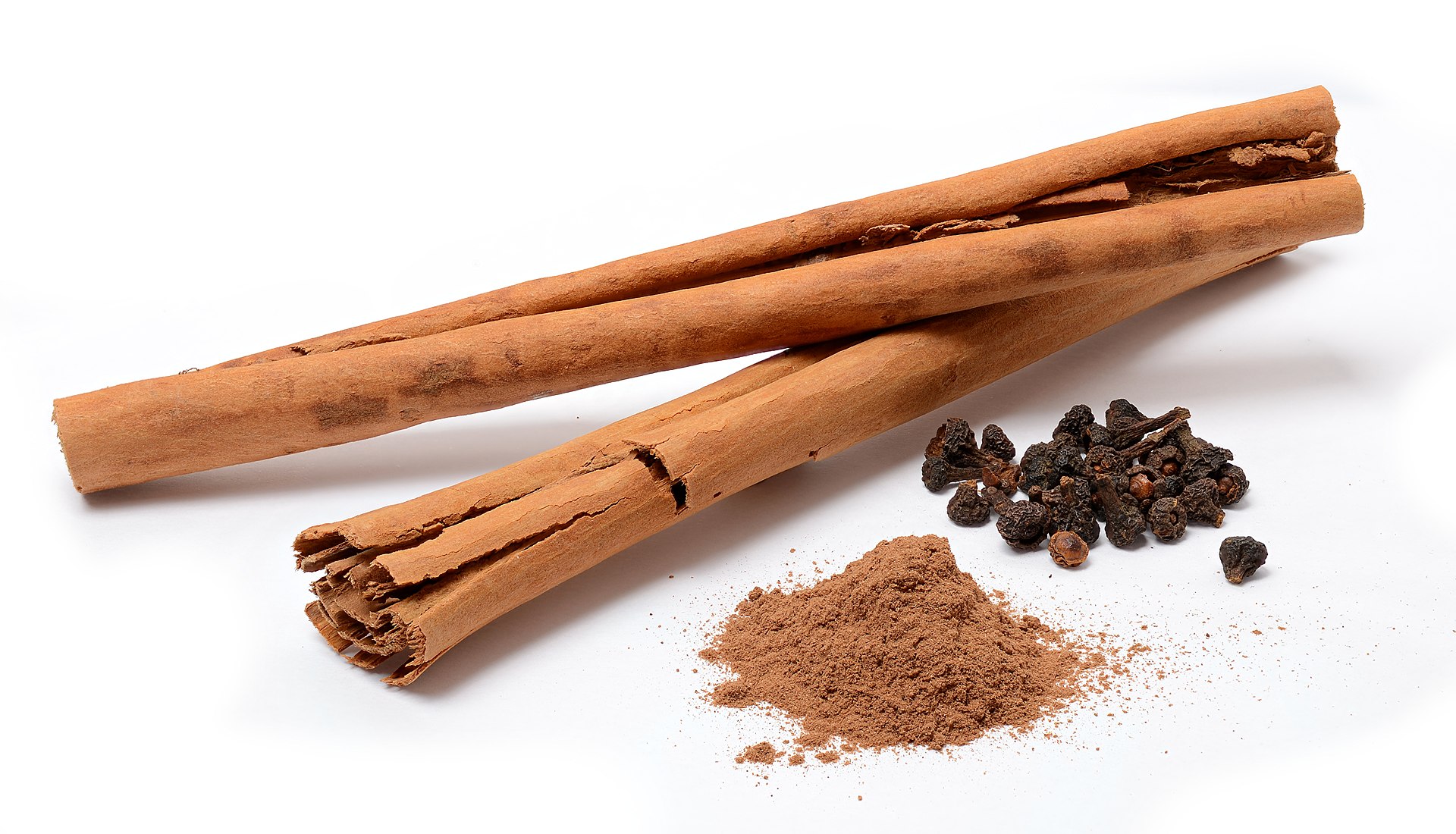
Cinnamon
Cinnamon: A Sweet Way to Support Heart Health
What is Cinnamon?
Cinnamon is a spice made from the inner bark of the cinnamon tree (Cinnamomum verum or Ceylon cinnamon) or the outer shell of the quill (Cinnamomum aromaticum or Cassia cinnamon). It has been used for centuries in cooking, medicine, and rituals due to its warm, sweet flavor and potential health benefits.
Benefits of Cinnamon
Cinnamon has been associated with several potential health benefits, including:
Blood sugar control: Cinnamon may help regulate blood sugar levels and improve insulin sensitivity.
Heart health: Cinnamon’s anti-inflammatory properties may help lower triglycerides, reduce blood pressure, and prevent cardiovascular disease.
Antimicrobial properties: Cinnamon has been shown to inhibit the growth of certain bacteria, viruses, and fungi, making it a natural preservative and antimicrobial agent.
Digestive health: Cinnamon may aid in digestion, alleviate symptoms of IBS, and reduce inflammation in the gut.
Cognitive function: Cinnamon’s neuroprotective properties may help improve memory, focus, and cognitive performance.
How to Use Cinnamon
Cinnamon is a versatile spice that can be used in various ways:
Baking: Add ground cinnamon to sweet breads, cakes, cookies, and muffins.
Tea: Mix with hot water to make a warm, comforting drink.
Stir-fries: Use as a flavor enhancer in stir-fry dishes, especially those featuring Asian ingredients like ginger and turmeric.
Smoothies: Add cinnamon powder to your favorite smoothie recipes for an extra boost of flavor and nutrition.
Precautions
While cinnamon is generally considered safe, there are some precautions to be aware of:
Allergies: Some people may experience allergic reactions, such as hives or itching, after consuming cinnamon.
Digestive issues: Excessive consumption of cinnamon can cause digestive issues like bloating, gas, and stomach discomfort.
Interference with medications: Cinnamon may interact with certain medications, such as blood thinners and diabetes medications.
Pregnancy and breastfeeding: High doses of cinnamon may not be suitable for pregnant or breastfeeding women.
Tips for Consumption
To enjoy the benefits of cinnamon, follow these tips:
Choose high-quality products: Opt for Ceylon cinnamon (Cinnamomum verum) for its higher quality and potential health benefits.
Consume in moderation: Enjoy cinnamon as an occasional spice, rather than a daily habit.
Start with small amounts: Gradually increase your consumption to allow your body to adjust.
Combine with other spices: Pair cinnamon with other spices like ginger, turmeric, and nutmeg for enhanced flavor and potential health benefits.
Recommended Dosage
The recommended dosage of cinnamon varies depending on the individual’s goals and needs:
As a spice: Use 1/2 to 1 teaspoon (2-4 grams) per day.
Cinnamon supplements: Follow the recommended dosages on the supplement label, typically ranging from 500 mg to 2000 mg per day.
Remember to consult with a healthcare professional before using cinnamon as a supplement, especially if you have any underlying health conditions or are taking medications.